Creating a relaxing home environment is essential for improving both productivity and overall well-being. Whether you work from home or simply want a peaceful space to recharge, the atmosphere around you plays a significant role in how you feel and perform. Here are some practical tips to help you design a calm, welcoming home that supports your mental clarity and daily efficiency.
1. Declutter to Clear Your Mind
Clutter can be distracting and stressful. When your space is messy, it’s harder to focus and you might feel overwhelmed.
– Set aside time each week to tidy up different areas.
– Use storage solutions like boxes or shelves to keep items organized.
– Keep only what you use regularly on your desk or main workspace.
A clean, clutter-free room encourages calmness and makes it easier to concentrate on tasks.
2. Choose Calming Colors
Colors impact mood and energy levels. To promote relaxation and focus, consider these color choices:
– Soft blues and greens create a serene atmosphere.
– Warm neutrals like beige or soft gray offer a soothing backdrop.
– Avoid overly bright or harsh colors that may cause stress or distraction.
If repainting isn’t an option, use accessories like cushions or artwork to bring calming tones into your space.
3. Optimize Natural Light
Natural light positively affects mood and alertness.
– Position your workspace near a window if possible.
– Use blinds or sheer curtains to reduce glare while letting in daylight.
– Add mirrors to reflect light and make rooms feel larger and brighter.
If natural light is limited, choose warm white bulbs that mimic daylight to keep the environment inviting.
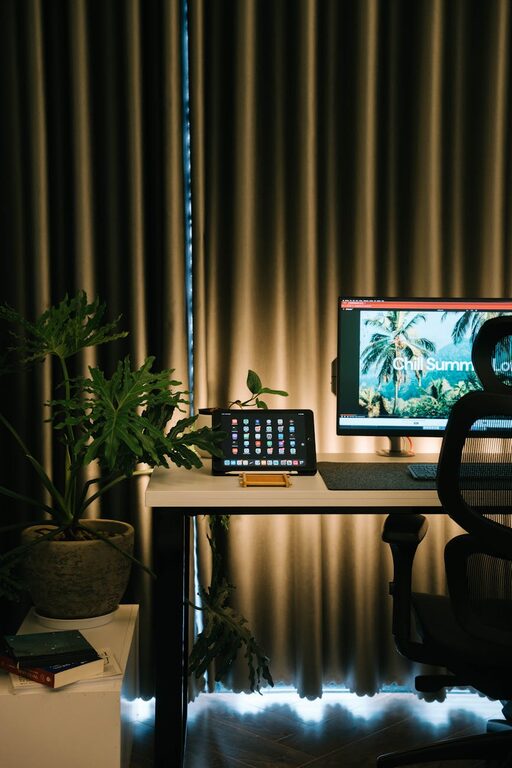
4. Incorporate Plants and Nature Elements
Bringing nature indoors can reduce stress and boost creativity.
– Place easy-care plants like succulents or spider plants around your home.
– Use natural materials such as wood, stone, or woven baskets in your decor.
– Consider a small water feature or bird feeder visible from your window for added tranquility.
Plants not only freshen the air but also create a sense of calm and connection with nature.
5. Use Aromatherapy for a Relaxing Ambiance
Certain scents help promote relaxation and improve concentration.
– Essential oils like lavender, eucalyptus, or peppermint can be diffused throughout your space.
– Use scented candles or herbal sachets, but keep them away from your work area to avoid distractions.
– Be mindful of allergies or sensitivities when choosing fragrances.
A gentle, pleasant aroma can subtly improve your mood and focus.
6. Create Designated Zones
Having specific areas for work, relaxation, and socializing can help balance productivity and rest.
– Set up a dedicated workspace that’s separate from your relaxation area.
– Use rugs or furniture arrangement to define different zones within a room.
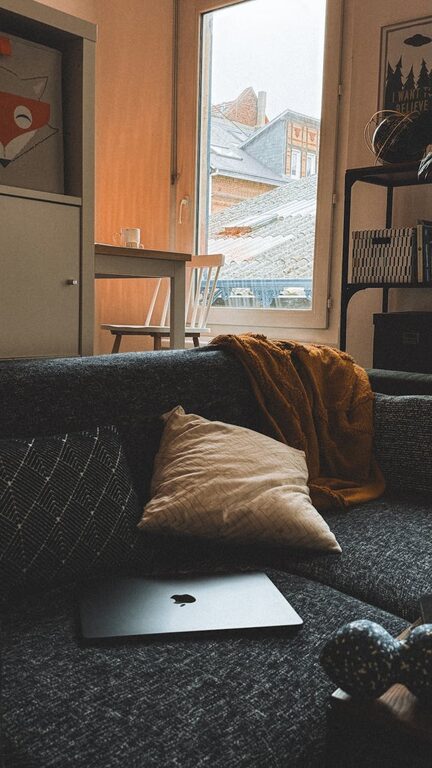
– Avoid working in bed or on the couch to maintain clearer boundaries between work and downtime.
This separation supports better mental transitions between activities.
7. Manage Noise Levels
Noise can be a major distraction and source of stress.
– Use noise-cancelling headphones if your environment is noisy.
– Introduce soft background sounds such as white noise, nature sounds, or calming music.
– Use rugs, curtains, and cushions to absorb sound and reduce echo.
A peaceful sound environment helps maintain concentration and promotes relaxation.
8. Prioritize Comfortable and Supportive Furniture
Your body’s comfort affects productivity and well-being.
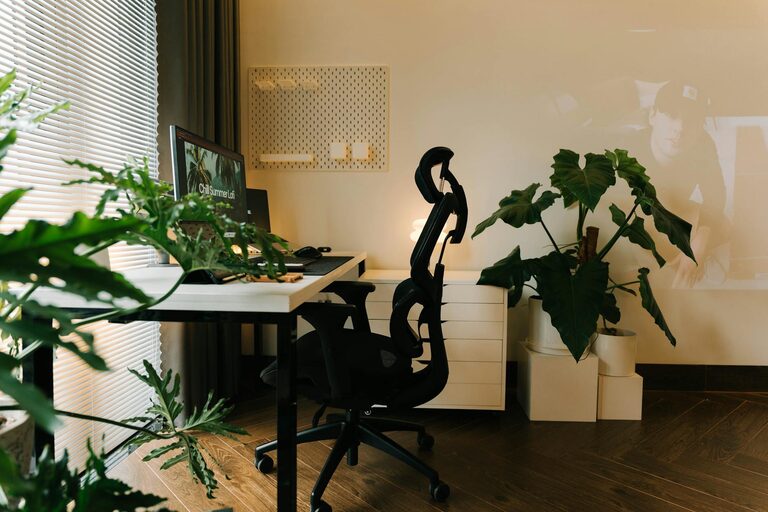
– Invest in an ergonomic chair and desk to support good posture.
– Use cushions or footrests as needed to avoid strain.
– Choose furniture that fits the scale of your space and allows easy movement.
Comfortable furniture reduces fatigue and helps you stay focused longer.
9. Keep Air Quality Fresh
Good ventilation improves health and cognitive function.
– Open windows regularly to circulate fresh air.
– Use air purifiers or plants that filter indoor air.
– Avoid harsh chemical cleaners with strong odors.
Fresh air keeps your environment inviting and supports mental clarity.
10. Incorporate Personal Touches
A space that feels personal and welcoming encourages you to spend time there.
– Display photos, artwork, or meaningful objects that inspire you.
– Use colors and textures you love to create a cozy feel.
– Change decor seasonally to keep your environment interesting and uplifting.
A personalized space contributes to emotional well-being and motivation.
—
Creating a relaxing home environment is an ongoing process. By incorporating these tips gradually, you can transform your space into a haven that nurtures your productivity and well-being. Start with small changes that fit your lifestyle and preferences, and enjoy the benefits of a calm, inspiring home every day.
About the Author